The Rules in Shinjuku's Tiny Bar Lanes on a Tokyo Night
The short answer. Golden Gai and Omoide Yokocho are Shinjuku's two old lanes of tiny bars and food stalls. The rules that catch visitors out are simple: photography is strictly prohibited in parts of both lanes, many small bars take cash only, and the drinking age is 20. You can walk in on your own, but the Shinjuku night tours with a guide take you to the places that welcome visitors.
Two lanes, one either side of the station
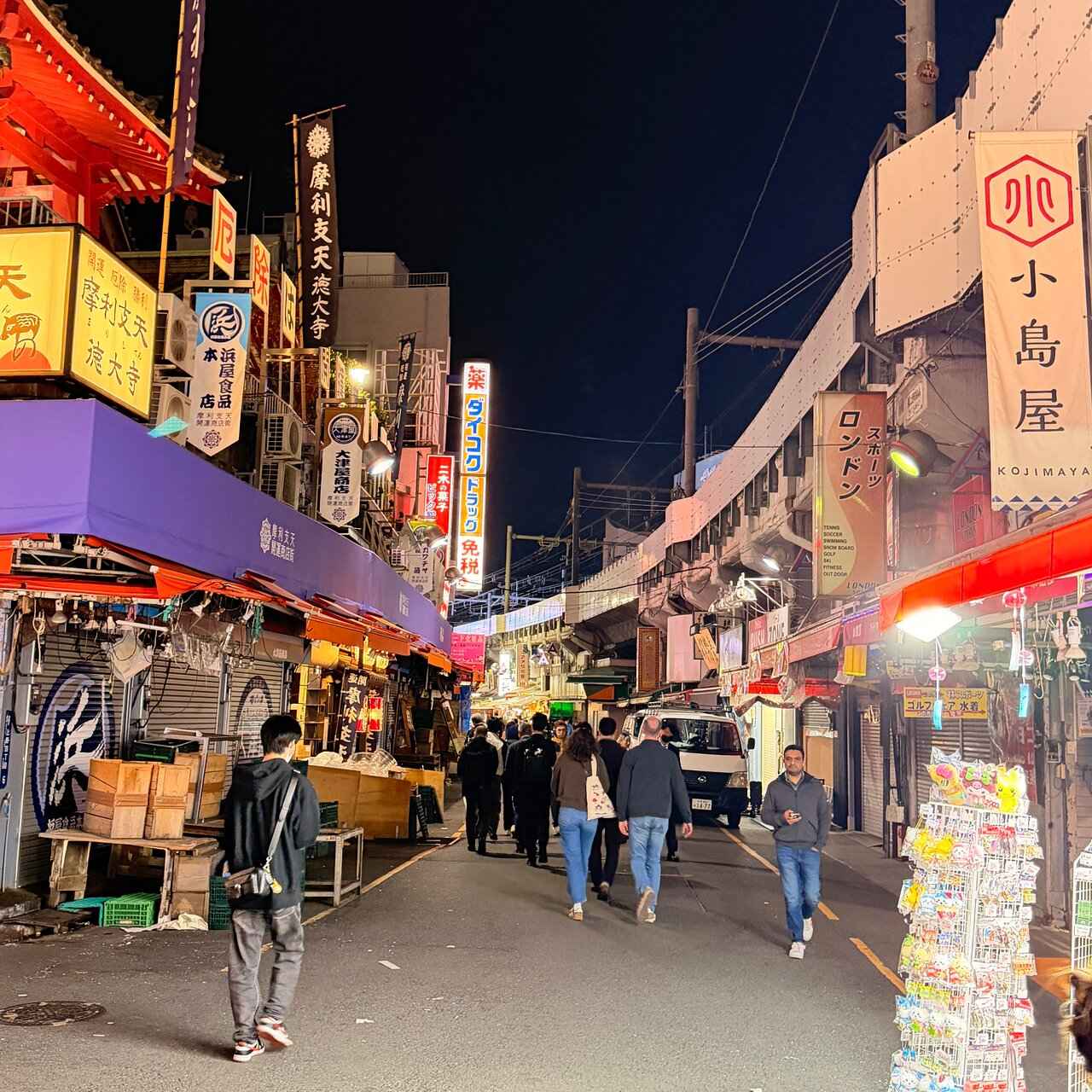
Omoide Yokocho sits beside the railway tracks on the west side of Shinjuku Station. It is a narrow lane of food stalls and small counters, with grilled skewers and smoke. Golden Gai is on the east side, at the edge of Kabukicho: a few alleys of bars so small that some seat only a handful of people.
Both are a short walk from the station, and most evening walks start at the East Exit. The exits and the meeting points are on the meeting-point map, and what else is open at night in Shinjuku is on things to do at night.
Where the camera goes away
This is the rule that surprises people. Photography is strictly prohibited in some areas, such as Golden Gai and Omoide Yokocho, and the walks that go there ask for your cooperation.
The bars are places of work, and the people inside are drinking, not posing. So keep the camera down in the lanes unless your guide says a spot is fine, and never photograph people without asking. On the night photography walk, the photographer knows where the camera can come out and where it cannot, and shoots you in Kabukicho and Shibuya instead.
Cash, small bars and the drinking age
- Carry cash. Some small bars take no cards, and the listings for the bar nights say so. Bring yen for the lanes.
- The drinking age is 20. Clubs ask for photo ID with your date of birth, and a photo of your passport on a phone is not accepted.
- Order if you sit down. The seats are few, and a bar with room for a handful of people cannot give one to a visitor who only looks.
- Some bars prefer regulars. If a bar does not welcome visitors, move on to one that does; your guide knows which.
- Keep it quiet. The lanes are narrow, and people live and work nearby.
Going with a guide, or on your own
You can walk into both lanes on your own; they are public streets. The hard part is knowing which door to open, and what to order once you are inside. A guide solves both. They also tell you what you are eating and drinking, and how to order it next time.
Here is how the guided evenings spend their time in the lanes.
| The evening | In the lanes | Length | Drinks |
|---|---|---|---|
| A local's walk from the East Exit | About 25 minutes across the two lanes | Two hours | Not in the fare |
| The camera walk to Shibuya | About 15 minutes in the bar lanes | Two to 2.5 hours | One drink |
| The pachinko walk | About 15 minutes by the tracks | 90 minutes | Not in the fare |
| The uni students' night | About an hour by the tracks | Two to eight hours | Not in the fare |
| The custom night out | About 40 minutes in the bar lanes | Three hours, to 11pm | The first round |
The local's walk from the East Exit costs $26 per person and covers both lanes, Kabukicho and a shrine. The custom night out spends the longest in the bar lanes and ends at 11pm, with the first round in the fare. The rest are compared on the bar night tours and night walking tours pages.
The food lane by the tracks
If you only have time for one lane with food, make it this one. Omoide Yokocho is where you eat grilled skewers at a counter with the trains passing overhead. The pachinko walk spends about 15 minutes here, for $20.80 per person; the game money you spend on pachinko is extra. The uni students' night spends about an hour in the lane before karaoke and bars, with local students as your hosts.
Remember the camera rule applies here too, and keep to the lane's pace: people eat, drink and move on.
A plan for an evening on your own
- Start at the East Exit. It is where most guided walks meet, and both lanes are a short walk away.
- Eat first, by the tracks. Take a counter seat in the food lane for skewers and a drink, and pay in cash.
- Cross to Kabukicho. Walk through the lit streets of the entertainment district to its far edge.
- Finish in the bar lanes. Choose one small bar, order, and stay for a drink or two.
- Watch the clock. Leave in time for your last train, or plan a taxi.
From late September to late February, a 5:30pm start is already after sunset, so the neon is on from the first step. In summer, start later if you want the lanes in the dark. Month-by-month sunset times are in when it gets dark, month by month.
The bar lanes after dark
Golden Gai's alleys are short, so you can walk the whole of it in a few minutes and choose where to go back. Many bars have their own theme and their own regulars, and what you pay differs from bar to bar, so ask before you order if you are unsure.
If you want a drink in the lanes with someone to explain what you are drinking, book an evening that includes one. If you only want to see them, a walk is enough. Either way, finish with a plan for the ride back: getting back after the last train explains when the trains stop.
Evenings through the bar lanes
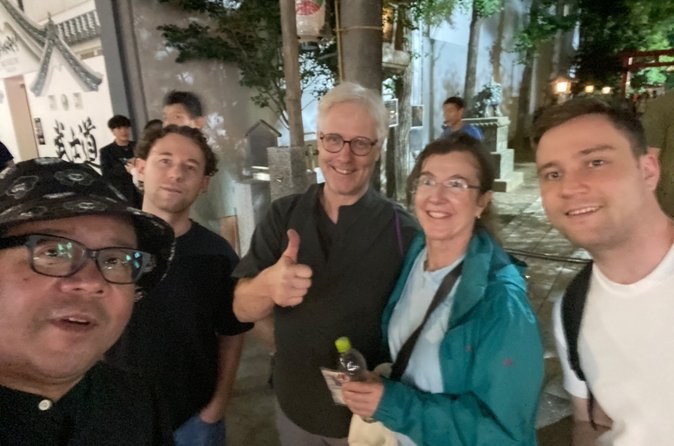
Shinjuku Walking Tour with a Local Japanese Guide: Hidden Gems
Two hours on foot from the police box at Shinjuku East Exit with a local guide, through both bar lanes, Kabukicho and a shrine. Five people at most.
From $26 per person
Check Availability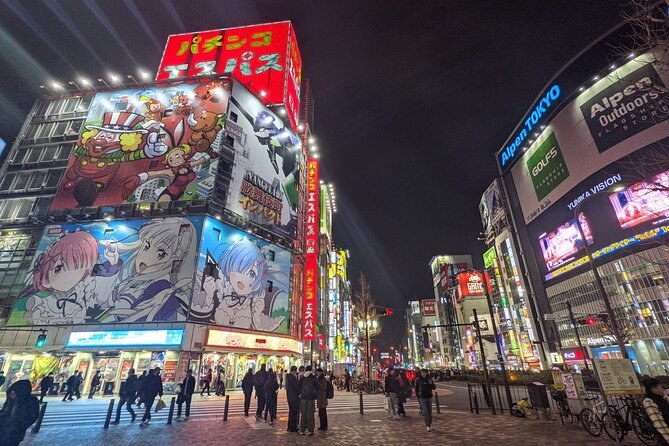
Tokyo Shinjuku Night Tour with Pachinko Gaming Experience
Ninety minutes in Kabukicho and the lane of food stalls by the tracks, with a guide who explains a first game of pachinko. The game money you spend is extra.
From $20 per person
Check Availability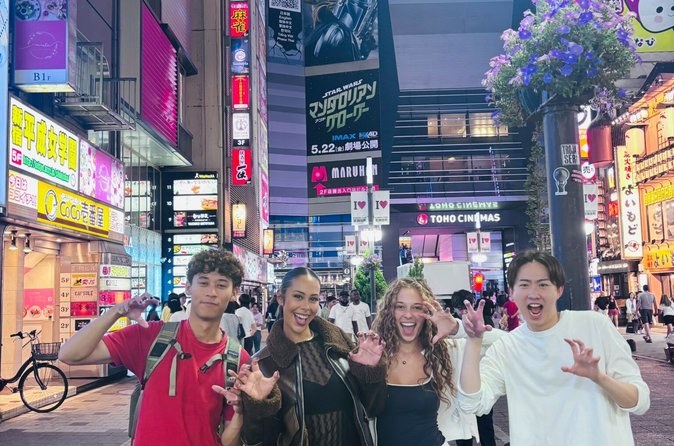
All Nighter Sing, Drink & Dance with Local Japanese Uni Students
Your own evening with local university students from Shinjuku East Exit: an hour in Kabukicho, an hour in the lanes, then karaoke and bars for as long as you book.
From $42 per person
Check AvailabilityNext: Choose whether you want to drink in the lanes or only see them, then book the walk or the bar night that fits. Every fare sits side by side on Tokyo Night Tours.