Tokyo Night Sunset Times and Seasons, Month by Month
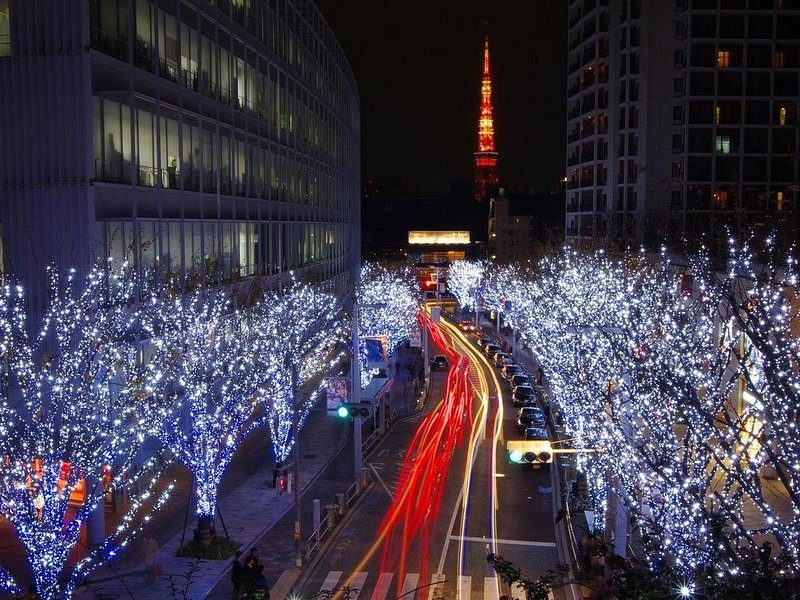
In Tokyo the same clock time can be daylight in one month and full night in another. Sunset moves by two and a half hours across the year, and that decides which tours are dark, which walk into dusk, and why a 5:30pm tokyo night photography tour starts in daylight in June but in the dark in December. Here is the year, month by month.
What time is sunset in Tokyo each month?
The earliest sunset is 4:28pm, from 29 November to 13 December. The latest is 7:01pm, from 24 June to 4 July. Between them the time moves a minute or two a day, fastest in spring and autumn. The table below has sunset on the 1st and the 15th of every month from the national observatory's 2026 table, with the evening low and the rain from the weather agency's 30-year averages.
| Month | Sunset on the 1st | Sunset on the 15th | Evening low | Rain | A 5:30pm start | What to expect |
|---|---|---|---|---|---|---|
| January | 4:38pm | 4:51pm | 1°C (34°F) | 60 mm | After sunset | Coldest evenings; clear skies |
| February | 5:08pm | 5:22pm | 2°C (36°F) | 56 mm | After sunset | Cold and dry |
| March | 5:36pm | 5:48pm | 5°C (41°F) | 116 mm | Before sunset | Evenings warming |
| April | 6:02pm | 6:14pm | 10°C (50°F) | 134 mm | Before sunset | Mild evenings |
| May | 6:27pm | 6:39pm | 15°C (58°F) | 140 mm | Before sunset | Warm, before the rain |
| June | 6:51pm | 6:58pm | 18°C (65°F) | 168 mm | Before sunset | Rainy season begins |
| July | 7:01pm | 6:57pm | 22°C (72°F) | 156 mm | Before sunset | Rainy season ends; hot |
| August | 6:46pm | 6:31pm | 24°C (74°F) | 155 mm | Before sunset | Hottest evenings |
| September | 6:09pm | 5:49pm | 20°C (69°F) | 225 mm | Before sunset | Wet; typhoon season |
| October | 5:26pm | 5:06pm | 15°C (59°F) | 235 mm | After sunset | Wettest month |
| November | 4:46pm | 4:35pm | 9°C (48°F) | 96 mm | After sunset | Cool, dry, early dark |
| December | 4:28pm | 4:29pm | 4°C (39°F) | 58 mm | After sunset | Earliest sunsets; cold |
"A 5:30pm start" reads the 15th of each month: before or after sunset. Every month is also on our sunset and weather by month page, with more on the weather.
When is a 5pm or 5:30pm start already dark?
A 5:00pm start is before sunset from 25 January to 19 October, which is most of the year. A 5:30pm start is before sunset from 24 February to 27 September. Outside those dates, both start after the sun has gone down.
That matters for two evenings: the wagyu dinner at 5:00pm and the photo walk at 5:30pm. In summer, both begin in daylight and walk you into the dusk, which photographers love and some visitors do not expect. A 7:00pm start is before sunset only from 24 June to 4 July, and any start at 7:30pm or later is dark all year.
Why does sunset never jump by an hour?
Japan has no daylight saving. The clocks never change, so sunset creeps earlier or later by a minute or two a day, and there is no week in spring or autumn when your start suddenly moves into the light. What you read for a date in the table is what you get.
How hot is a Tokyo summer night?
Hot and humid. August averages a high of 31°C (88°F) and an evening low of 24°C (74°F); July is barely cooler, with a low of 22°C (72°F). The walking tours' own listings warn of summer highs reaching 40°C (110°F).
On a summer night, choose an evening with air conditioning or water: a private drive, the dinner cruise, or a photo walk that ends in the evening rather than the afternoon. Carry water on any walk, and plan indoor breaks.
How cold is a winter night?
January is the coldest month, with an average evening low of 1°C (34°F), and February is close behind at 2°C (36°F). The same listings warn of winter lows as cold as -5°C (20°F). Standing still is what makes it bite: an hour at the car meet, or at a deck in the wind.
The reward is that winter nights start early. With sunset around 4:29pm in December, a 5:30pm walk is already in the dark, and you can do a whole evening and still be home early.
When is the rainy season?
Tokyo's rainy season normally runs from about 7 June to about 19 July. In 2026 it began early, around 2 June, and ended around 19 July. Expect grey evenings and showers rather than all-day storms.
It is not the wettest time of year, though. September and October bring more rain, at 225 mm and 235 mm on average, against 168 mm in June.
What about typhoons?
Typhoons reach Tokyo mostly in late summer and autumn. When one comes close, open-air decks and some attractions close; Tokyo Skytree shut for a day in 2026 as a typhoon approached. Tour operators may cancel for bad weather, and when they do, you are offered a new date or a full refund.
If your trip falls in September or October, keep one spare evening, and book tours that you can cancel free up to 24 hours ahead, as all of them here allow. What happens when a tour is called off is in what to expect on the night.
When do the illuminations run?
In winter. Marunouchi, Roppongi, Omotesando and the ginkgo avenue at Meiji Jingu Gaien are lit for the season, and dates change each year. The Christmas drive tours them for your group, and its listing publishes no dates, so book on the dates it offers.
Winter evenings suit the lights: they are dark by 4:30pm, so you can see them early and still make dinner. The towers and decks lit all year are on the lit landmarks and their hours.
When is the car meet busiest?
Owners gather at the Daikoku Parking Area every night, and guests on the drives have found it full even on a Monday. The drives run in light or moderate rain, but nobody can promise which cars come, and police can close the car park without notice.
The season matters less for the cars than for you: in January you stand in the cold for an hour, and in August you wait in the heat. The JDM car tours set the start times side by side.
Which month is best for a night tour?
November. Sunset comes at about 4:35pm, so even a 5:00pm start is in the dark, evening lows sit near 9°C (48°F), and it is much drier than October, with 96 mm of rain on average. The illuminations begin to appear towards the end of the month.
Late March and April are close behind: sunset moves from about 5:48pm to 6:14pm, and lows sit near 10°C (50°F) in April. Avoid the height of summer if heat bothers you, and keep a spare night in typhoon season.
What should you pack for each season?
You will spend more of your night outside than you expect: at a station exit waiting for your guide, on a deck, or at the car meet. Pack for that, not for the walk from the hotel.
- December to February: a warm coat, gloves and a hat. You will stand still for an hour at a time, and lows sit between 1°C (34°F) and 4°C (39°F).
- March to May: a light jacket you can carry. Your evenings warm from 5°C (41°F) to 15°C (58°F).
- June and July: an umbrella for the rainy season, and shoes you do not mind getting wet.
- August: water, a small towel and light clothes; you will still be warm at midnight.
- September to November: an umbrella until the end of October, then a jacket as your evenings cool.
Whatever the month, you want comfortable shoes: the photo walk alone covers about 3 km, and the lanes of Shinjuku are best seen on foot.
How does the season change each kind of tour?
- Walks and the photo walk: summer means daylight at the start and heat; winter means dark from the first step and cold hands. Our night photography tours have the 5:30pm walk.
- Bars and food: indoors, so the season matters least; winter makes a hot bowl of ramen at the end even better. See our night food tours.
- The dinner cruise: any clear night works; you sit indoors on tatami with the bay outside.
- Car meets: you stand outside for about an hour, so dress for the month.
- Private drives: air-conditioned and heated, so they suit the extremes of summer and winter best. See our private night tours.
Our one-evening plan shows a June, an October and a December evening hour by hour.
Frequently asked questions
What is the best month for a Tokyo night tour?
Does Tokyo change its clocks?
When is the rainy season in Tokyo?
What should I wear on a winter night?
Is the Christmas drive seasonal?
Do Tokyo night tours start after dark?
Evenings timed to the season
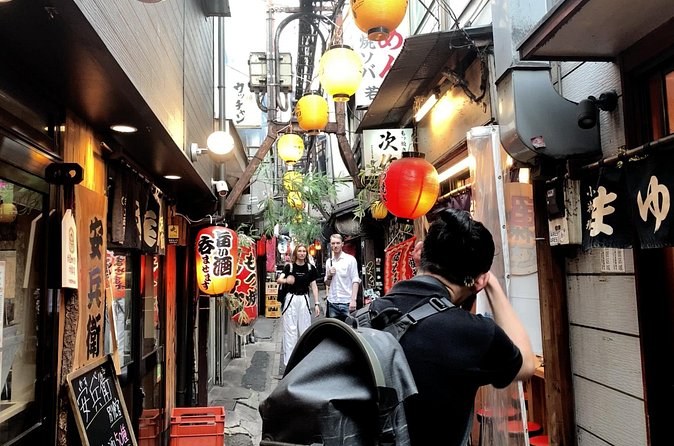
Tokyo by Night Photography Tour (Private Option Available)
Two to two and a half hours on foot from the Lion statue at Shinjuku East Exit at 5:30pm, through Kabukicho to the Shibuya scramble. A photographer shoots you; 20 edited photos follow.
From $117 per person
Check Availability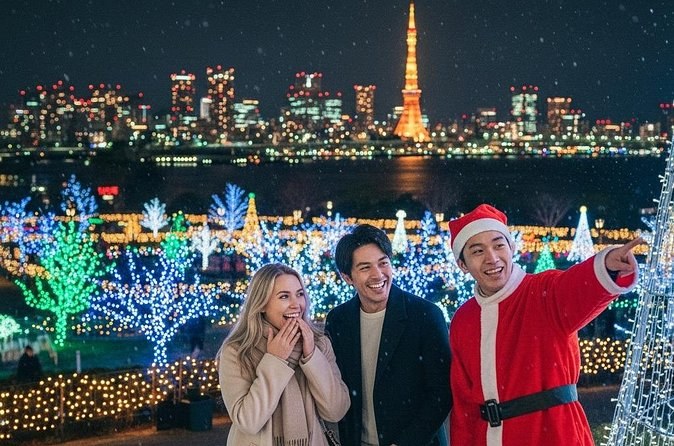
Experience the Magic of Christmas in Tokyo by Private Vehicle
Four hours in a private vehicle round the winter lights, with a driver-guide dressed as Santa and carols on board. One fare for up to nine; dates come at booking.
From $594 per group (up to 9)
Check Availability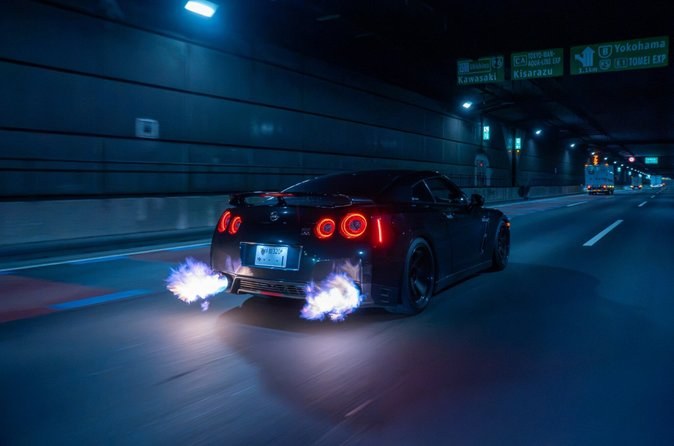
Tokyo Drift JDM Daikoku Car Meet Tour: GT-R Silvia & Chaser
Three hours from Harajuku at 8:00pm, after dark in every month, in a sports car or a van, with about an hour at the expressway car meet.
From $79 per person
Check AvailabilityNext: Choosing between the evenings? The night tours compared weighs them one against another. Every fare sits side by side on Tokyo Night Tours.